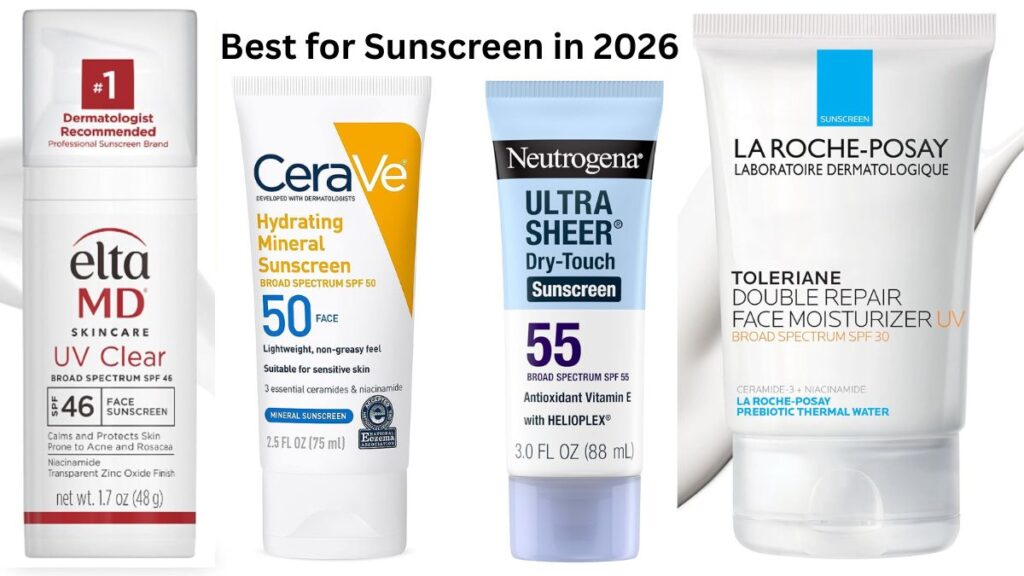
Best for Sunscreen in 2026

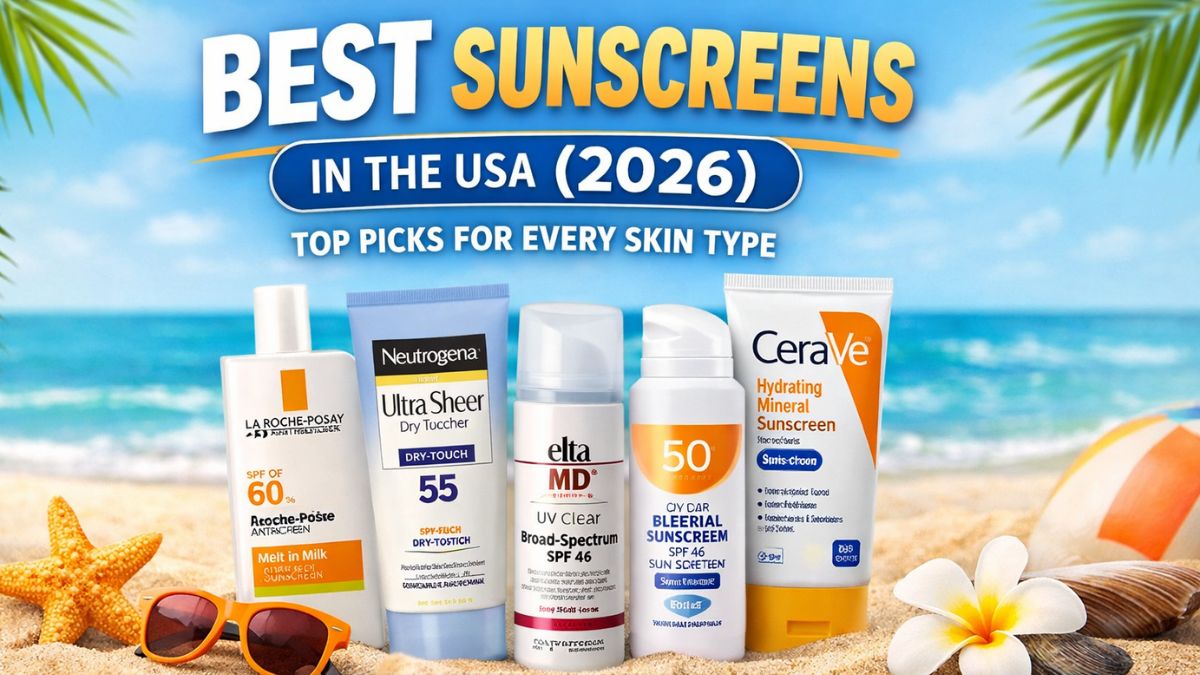
Sunscreen is no longer just a beach-day essential; it’s a daily must-have for healthy skin. With rising awareness about skin cancer, premature aging, and UV damage, Americans are paying closer attention to how they protect their skin. Whether you’re commuting to work, heading to the gym, or relaxing outdoors, sunscreen plays a critical role in your skincare routine.
In this guide, we’ll break down everything you need to know about sunscreen in 2026, from how it works to how to choose the best one for your skin type.
Why Sunscreen Is More Important Than Ever
Skin cancer remains the most common cancer in the United States. According to the American Academy of Dermatology, one in five Americans will develop skin cancer in their lifetime.
The primary cause? Ultraviolet (UV) radiation from the sun.
There are two main types of UV rays:
-
- UVA rays: Cause premature aging (wrinkles, fine lines)
-
- UVB rays: Cause sunburn and directly damage DNA
A broad-spectrum sunscreen protects against both.
How to Choose the Right Sunscreen for Your Skin Type
Oily or Acne-Prone Skin
Look for:
-
- Oil-free formulas
-
- Non-comedogenic labels
-
- Gel or matte finishes
Dry Skin
Choose:
-
- Cream-based sunscreens
-
- Products with hyaluronic acid or glycerin
Sensitive Skin
Best options:
-
- Fragrance-free
-
- Mineral-based formulas
Darker Skin Tones
Modern sunscreens now avoid the “white cast” issue. Look for:
-
- Sheer or tinted mineral sunscreens
-
- Invisible-finish formulas
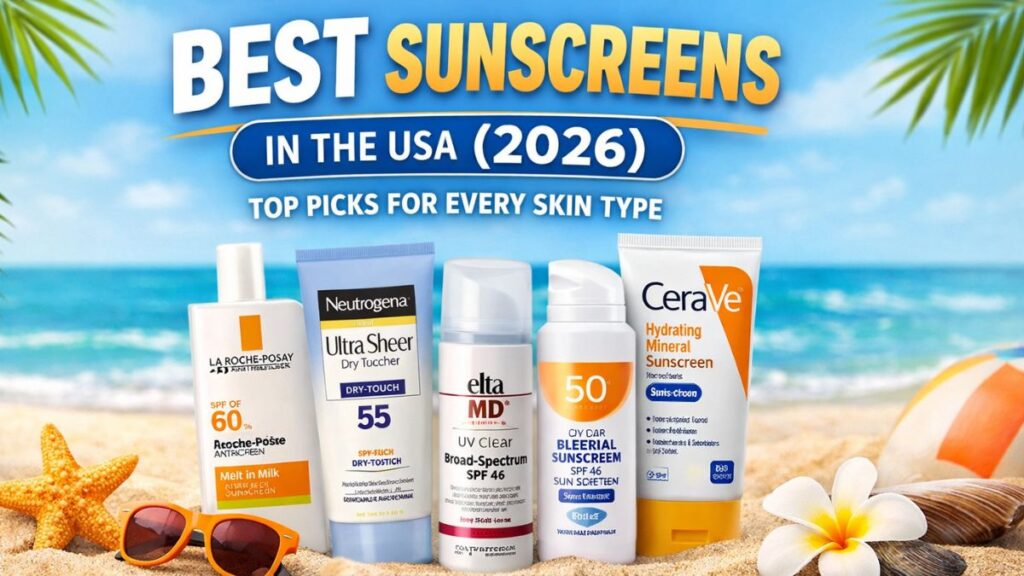
Some of the Best Sunscreens of 2026
1. La Roche-Posay Anthelios Melt-in Milk SPF 60
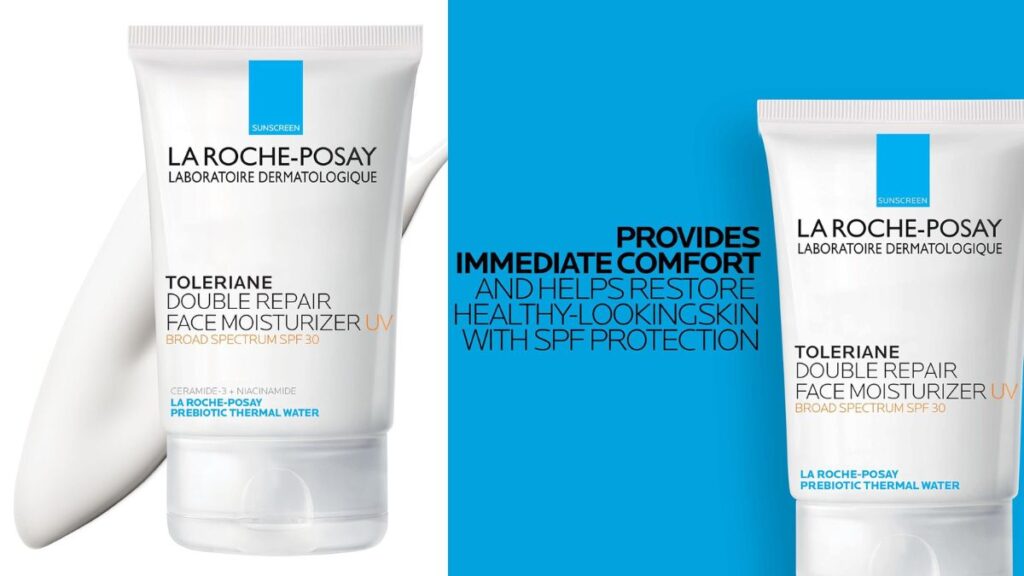
Best Overall Sunscreen
-
- Broad-spectrum SPF 60 protection
-
- Lightweight, non-greasy texture
-
- Works for face & body
-
- Suitable for sensitive skin
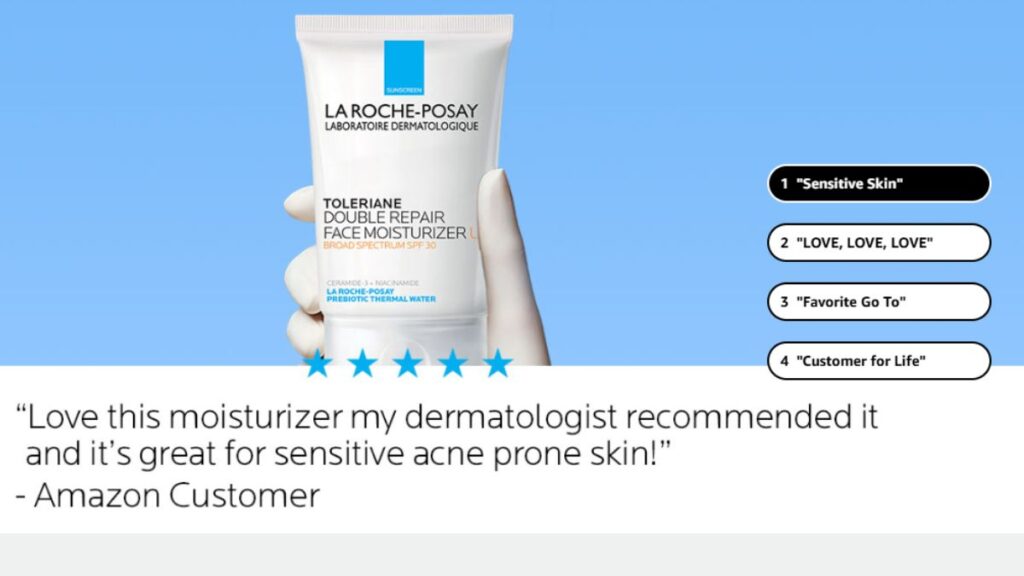
 Ideal for daily use and outdoor activities.
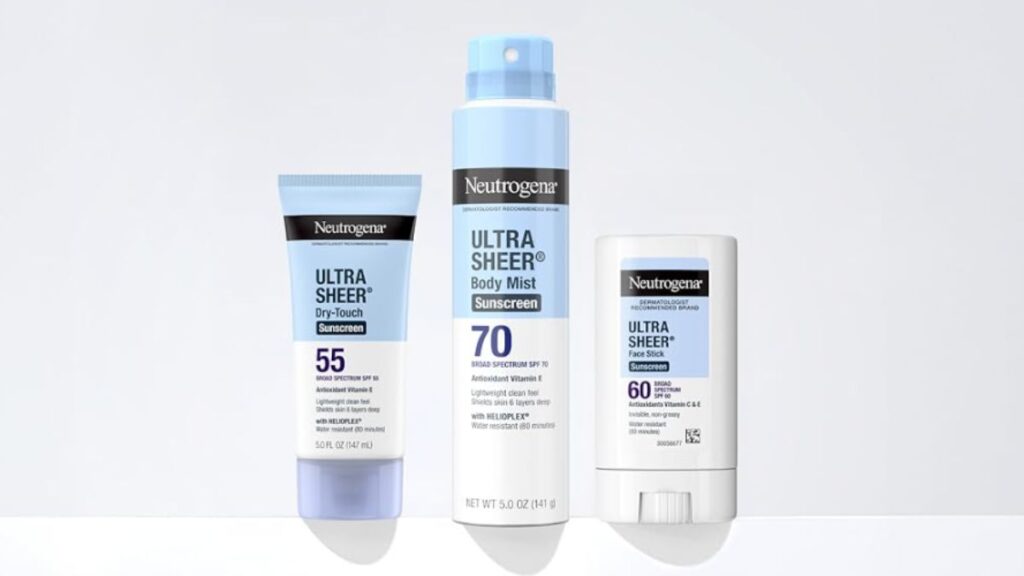
2. Neutrogena Ultra Sheer Dry-Touch SPF 55
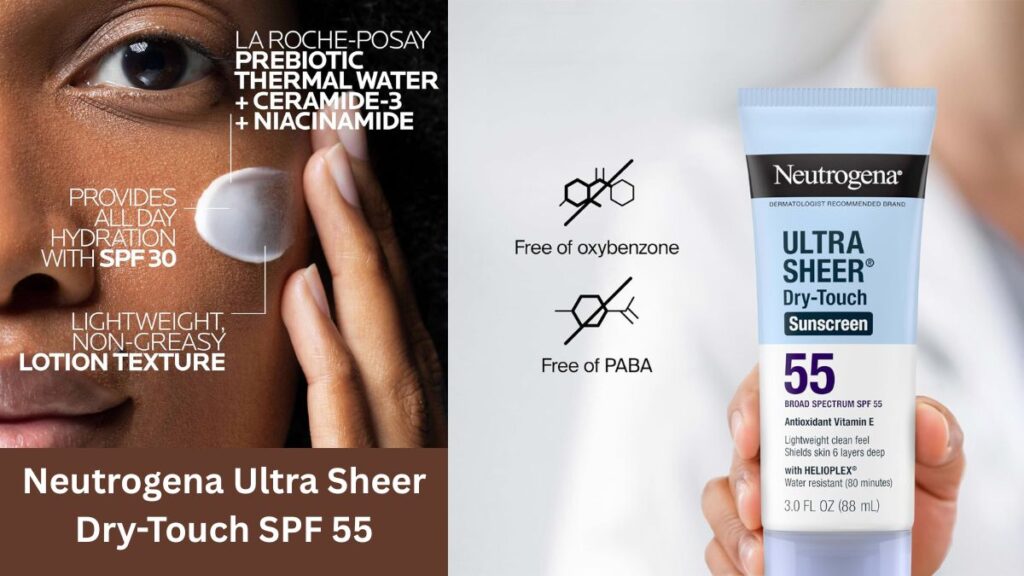
Best Budget Sunscreen
-
- Oil-free, matte finish
-
- Fast-absorbing formula
-
- Great for oily & acne-prone skin
Perfect affordable sunscreen for everyday protection.
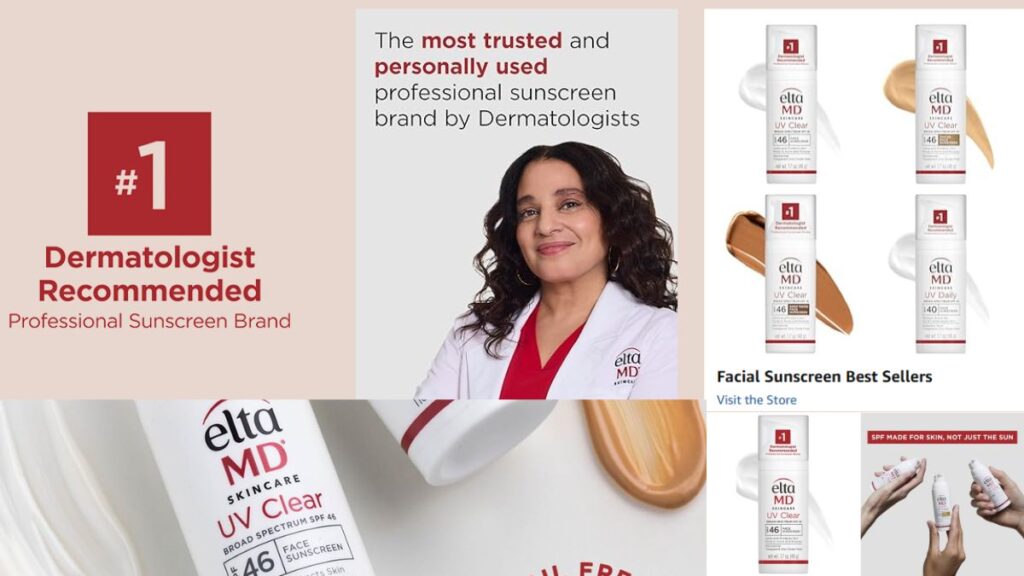
3. EltaMD UV Clear SPF 46
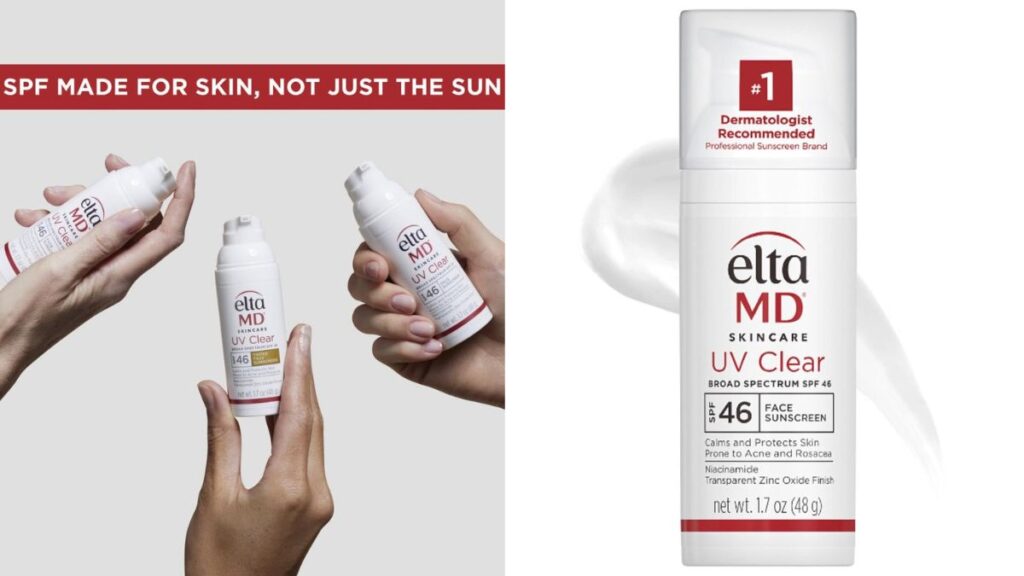
Best for Acne-Prone Skin
-
- Contains niacinamide
-
- Lightweight & calming formula
-
- Won’t clog pores
Trusted by dermatologists for sensitive skin.
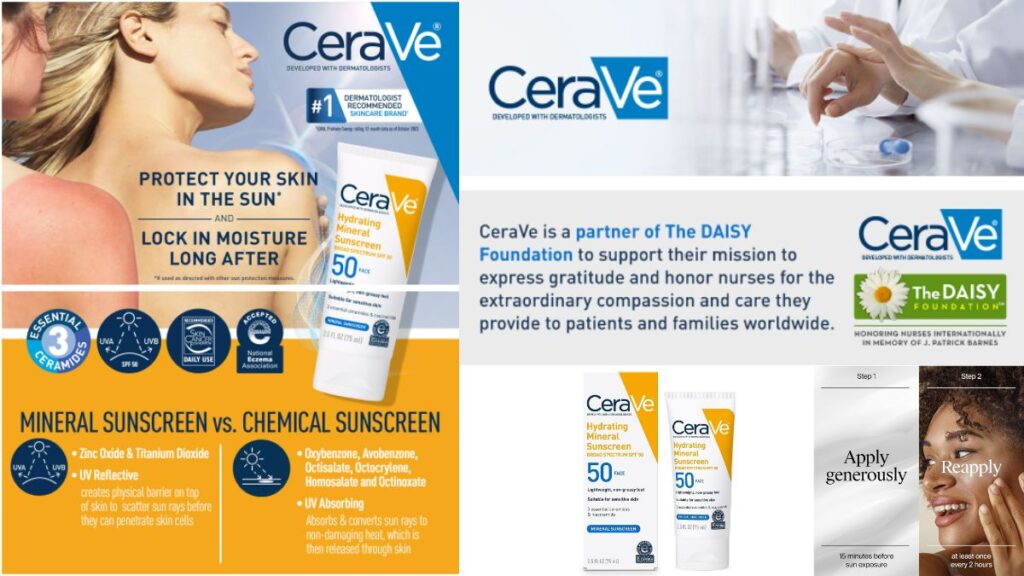
4. CeraVe Hydrating Mineral Sunscreen SPF 50
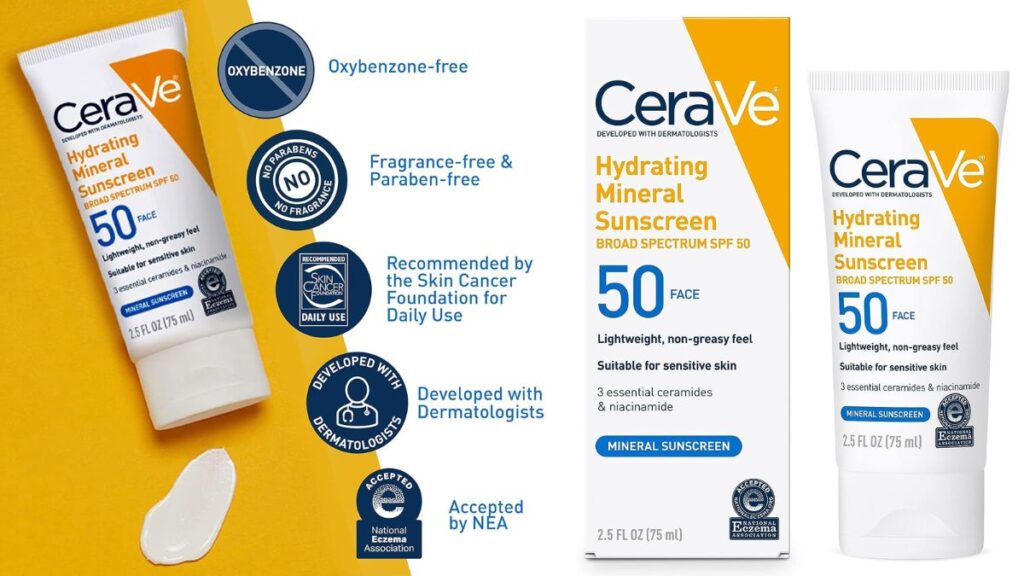
Best Mineral Sunscreen
-
- Zinc oxide-based protection
-
- Includes ceramides for hydration
-
- Fragrance-free
Great for dry or sensitive skin types.
Why These Products Work (Expert Insight)
Dermatologists recommend sunscreens that meet three key criteria:
-
- Broad-spectrum protection (UVA + UVB)
-
- SPF 30 or higher
-
- Skin-friendly ingredients (non-comedogenic, fragrance-free)
Common Sunscreen Mistakes
-
- Not applying enough product
-
- Skipping reapplication
-
- Ignoring cloudy days
-
- Using expired sunscreen
Understanding SPF: What Does It Really Mean?
SPF stands for Sun Protection Factor, but many people misunderstand what it actually does.
-
- SPF 15 blocks about 93% of UVB rays
-
- SPF 30 blocks about 97%
-
- SPF 50 blocks about 98%
No sunscreen blocks 100% of UV rays. For daily use, dermatologists in the U.S. typically recommend SPF 30 or higher.
Mineral vs. Chemical Sunscreen: Which Is Better?
Mineral (Physical) Sunscreen
-
- Contains zinc oxide or titanium dioxide
-
- Sits on top of the skin and reflects UV rays
-
- Ideal for sensitive skin
Chemical Sunscreen
-
- Absorbs UV rays and converts them into heat
-
- Lightweight and easier to blend
-
- Often preferred for everyday wear
Trending in the U.S.: Mineral sunscreens are gaining popularity due to concerns about skin sensitivity and environmental impact.
How to Apply Sunscreen Correctly
Most people don’t use enough sunscreen, reducing its effectiveness.
Follow these guidelines:
-
- Apply 15 minutes before sun exposure
-
- Use about 1 ounce (a shot glass full) for full body coverage
-
- Reapply every 2 hours, or after swimming/sweating
Don’t forget commonly missed areas:
-
- Ears
-
- Neck
-
- Hands
-
- Lips (use SPF lip balm)
Common Sunscreen Mistakes to Avoid
-
- Skipping sunscreen on cloudy days
-
- Not reapplying throughout the day
-
- Using expired sunscreen
-
- Applying too little product
-
- Relying on makeup SPF alone
Latest Sunscreen Trends in the U.S. (2026)
1. Reef-Safe Formulas
Consumers are increasingly choosing sunscreens free from harmful chemicals like oxybenzone.
2. Hybrid Sunscreens
A mix of mineral and chemical ingredients for better performance and texture.
3. Skincare-Infused SPF
Sunscreens now include:
-
- Vitamin C
-
- Niacinamide
-
- Anti-aging ingredients
4. Spray and Stick Formats
Perfect for convenience and reapplication on the go.
Do You Need Sunscreen Indoors?
Yes—especially if you’re near windows or using screens frequently. UVA rays can penetrate glass, contributing to long-term skin damage.
Frequently Asked Questions
Is SPF 50 better than SPF 30?
Yes, SPF 50 provides slightly more protection, but both are effective when applied correctly.
Can I use sunscreen every day?
Absolutely. Daily use is highly recommended—even indoors.
Which sunscreen is best for sensitive skin?
Mineral sunscreens, like zinc oxide formulas, are ideal.
Final Thoughts
Sunscreen is one of the simplest yet most powerful tools you have for maintaining healthy skin. For a U.S. audience dealing with diverse climates from sunny California to snowy Colorado, daily SPF use is essential all year round.
The key is consistency: find a sunscreen you like, use it every day, and reapply when needed. Your future skin will thank you.
Similar products here.